IBM Big Data
IBM Big Data
IBM was introducing Power Systems servers built around its POWER8 processor, a platform designed for big data. Almost all of the story lived inside the hardware: processor cores, memory, accelerators, and the paths data takes between them. None of it could be filmed, and there was no established visual reference for any of it.
The brief was to take viewers on a journey through these technologies and make the case for what they could do for a business.
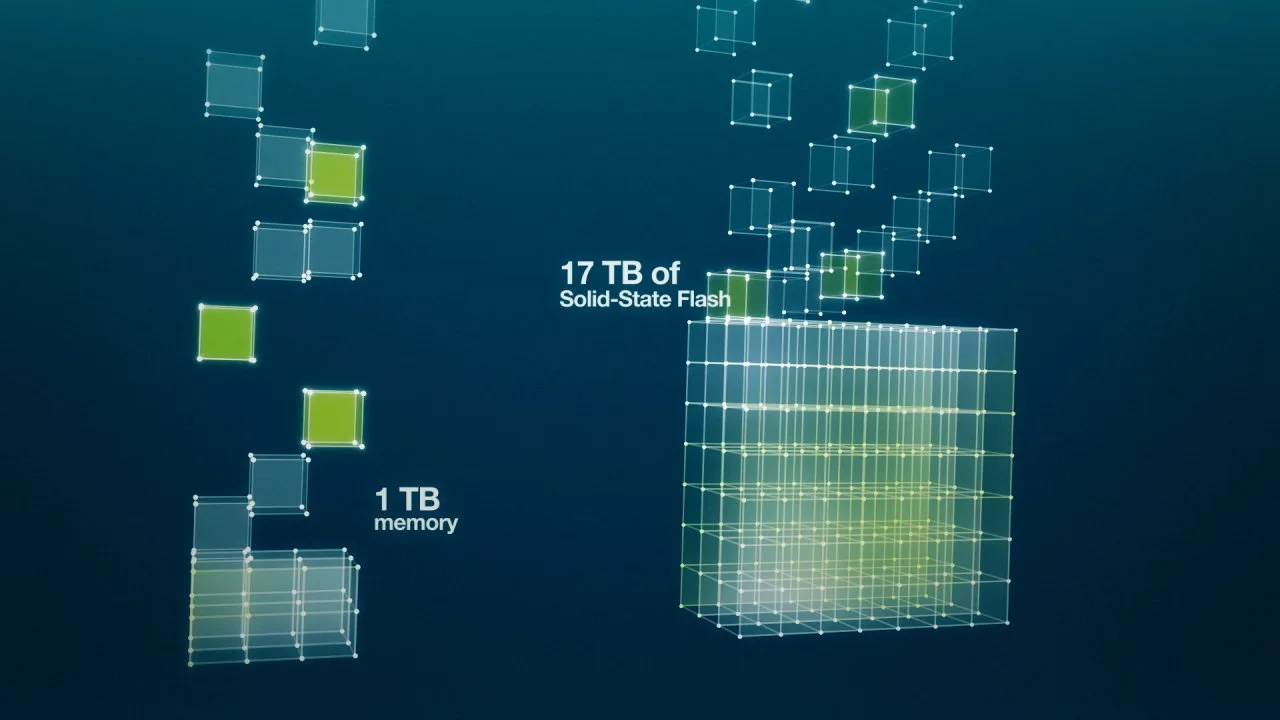
The full script was dense. It covered multi-core processors running eight threads per core, a new accelerator interface IBM described as a first in the industry, flash storage, GPU and FPGA acceleration from partner companies, and the speed, space, and cost gains that followed.
Each idea was abstract on its own. Together they risked becoming a list of specifications. The film had to keep a general business audience following one line of thought while remaining credible to viewers who knew the architecture.
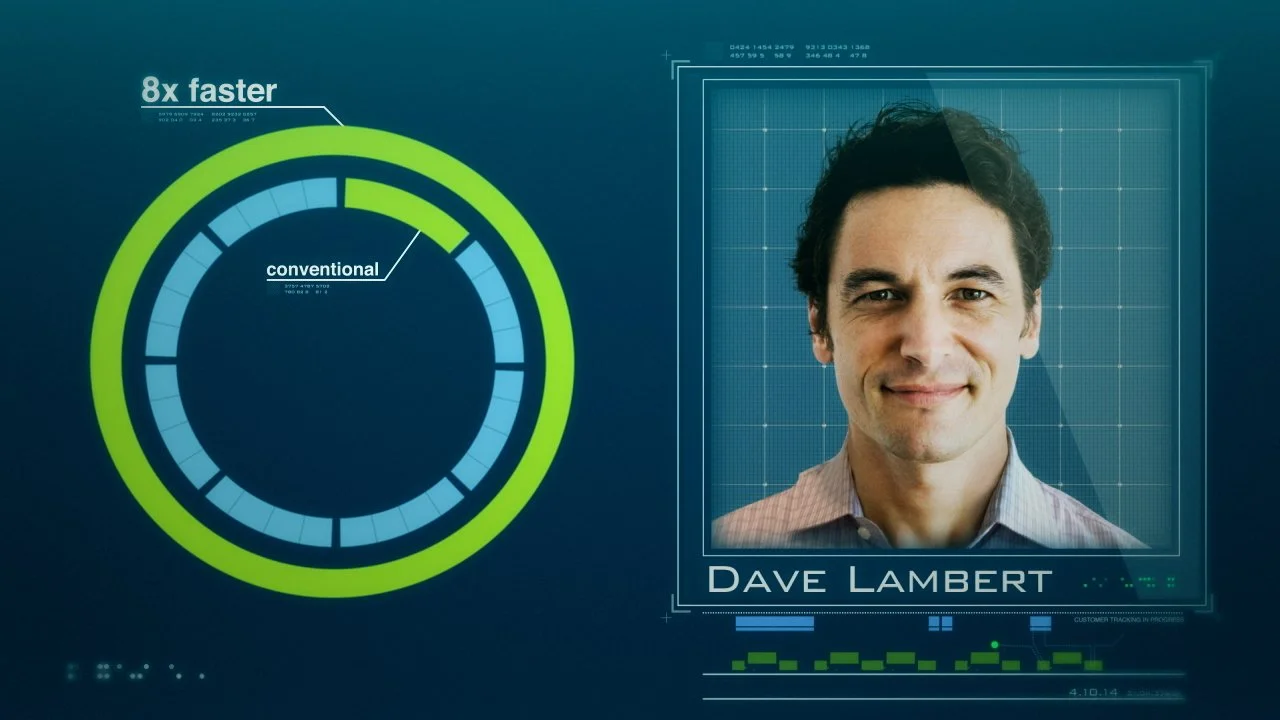
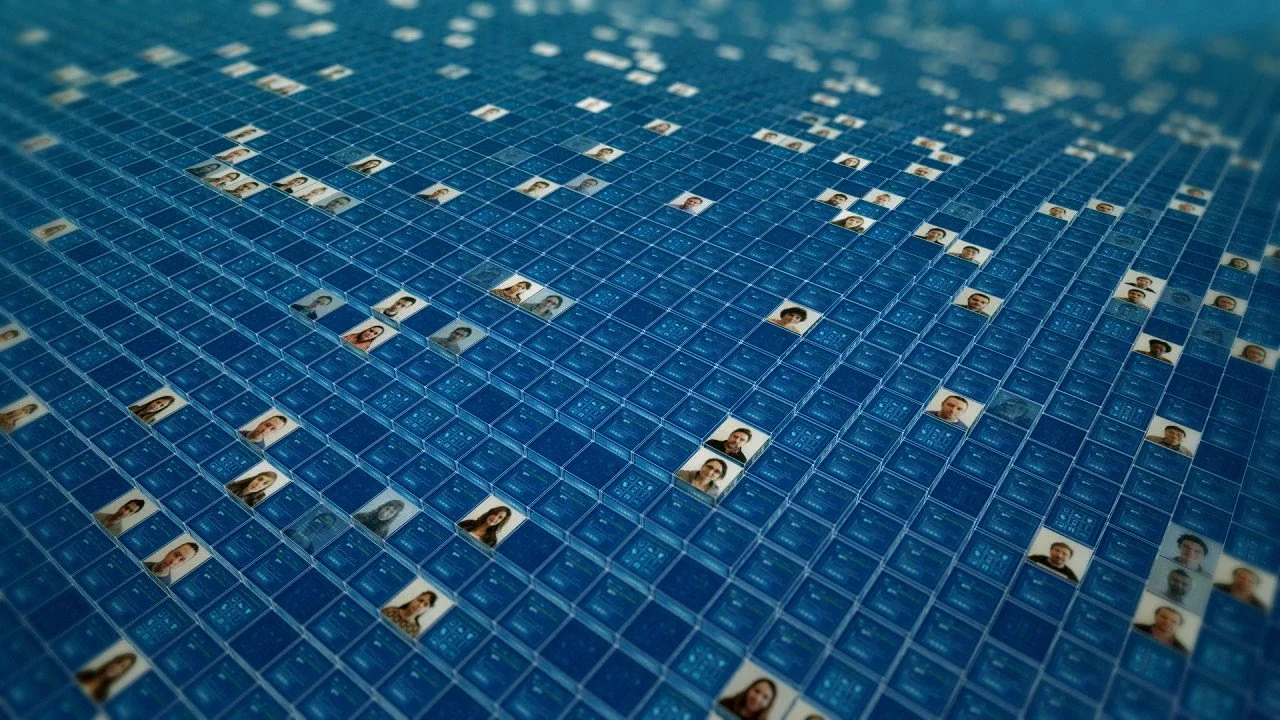
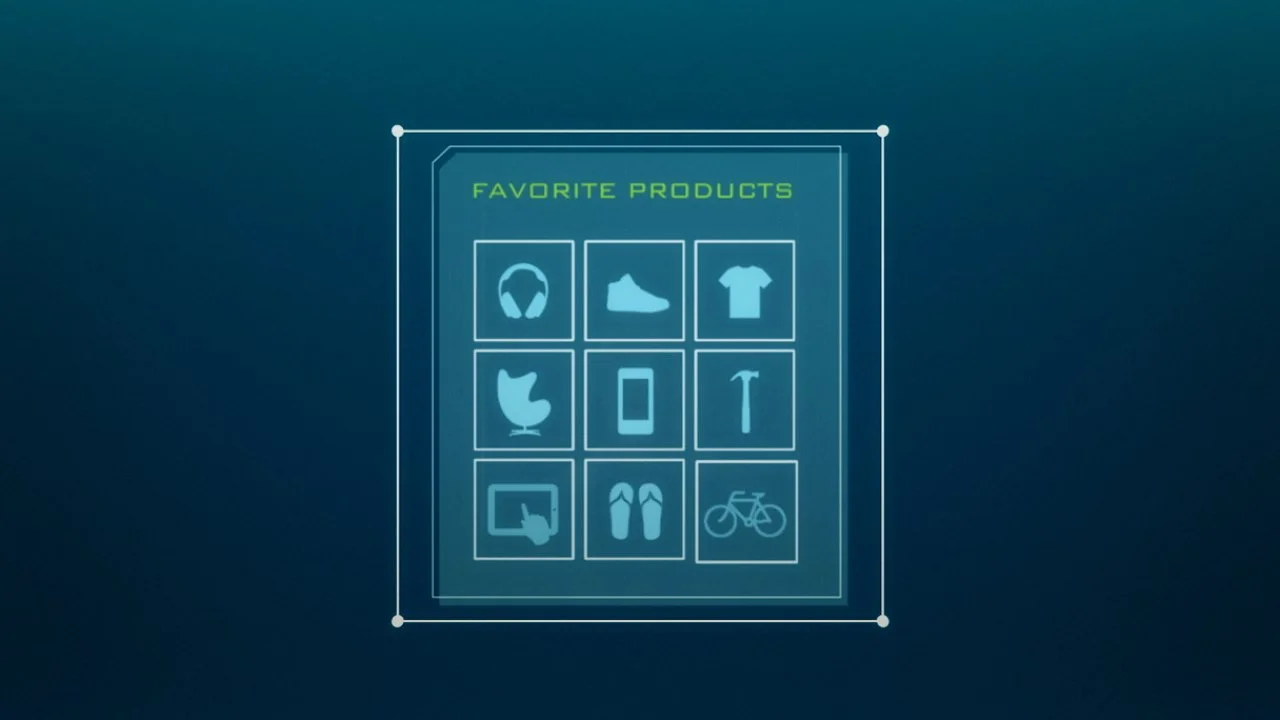
Two decisions shaped the film. The first was a human thread: a shopper walking into a mall of the future, recognised the moment he arrives and sent personalised offers by the retailers he likes. Each technology entered the story as part of making that moment possible, so every specification had a job to do.
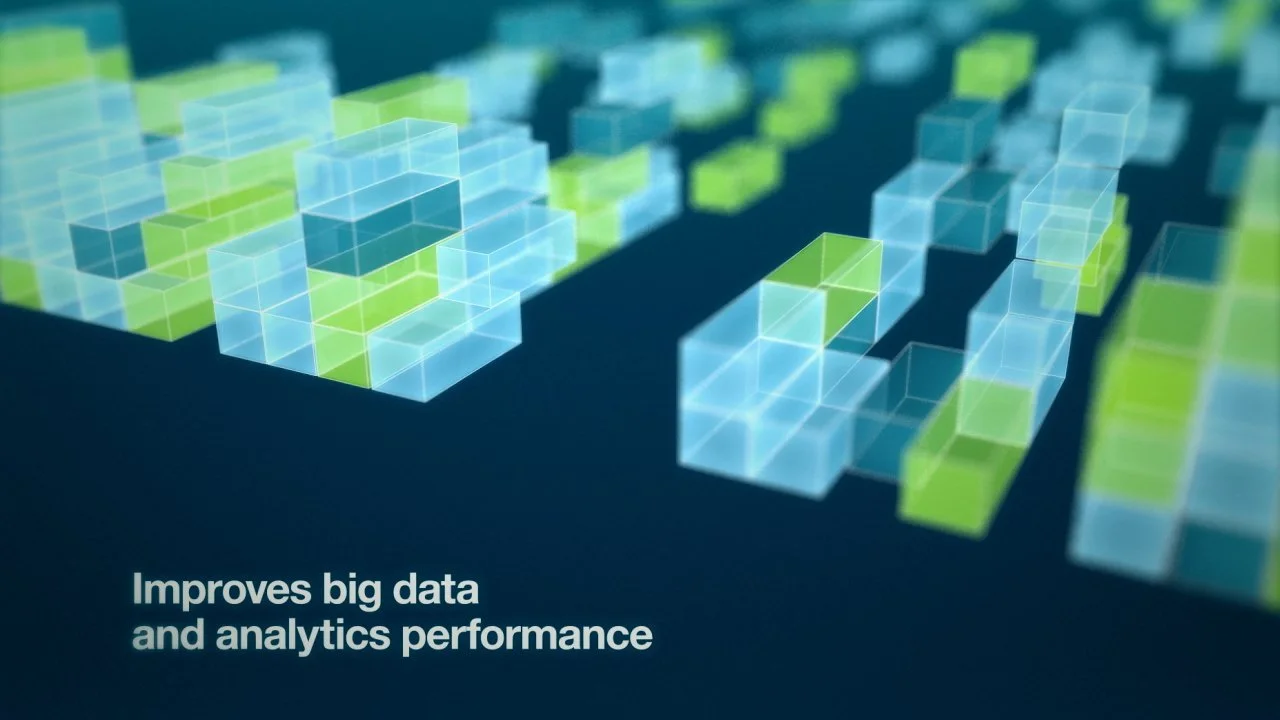
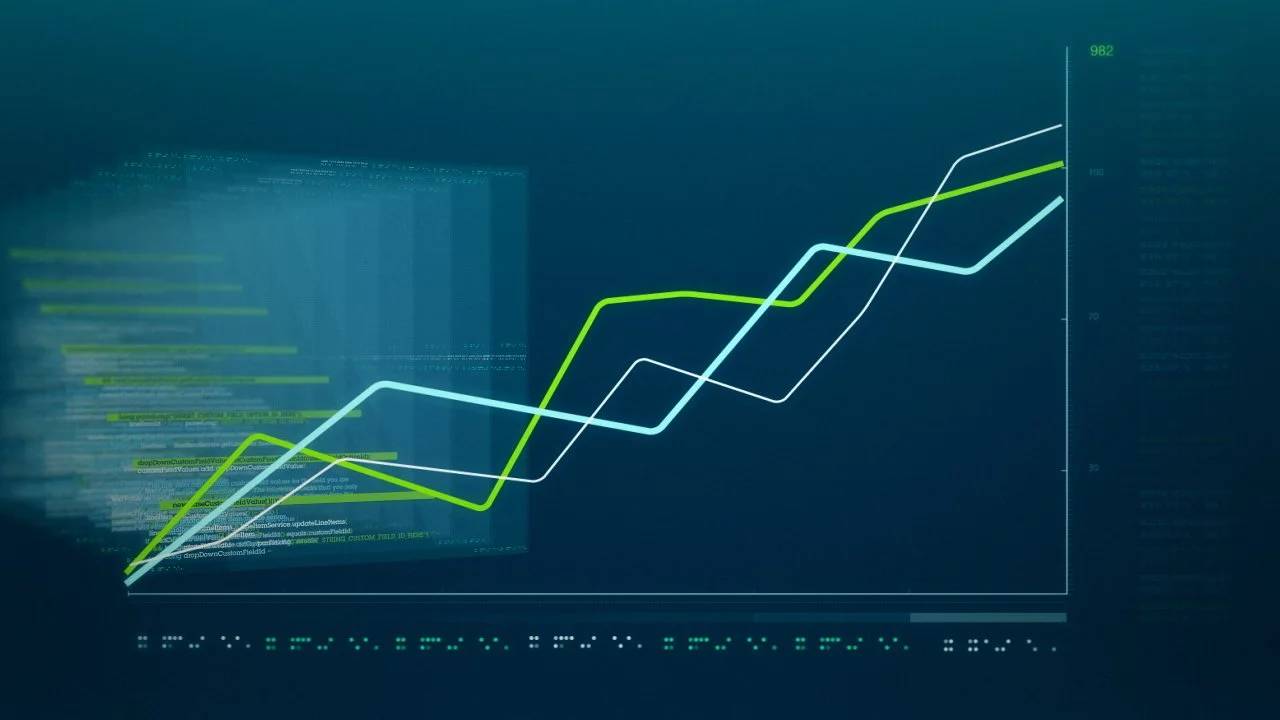
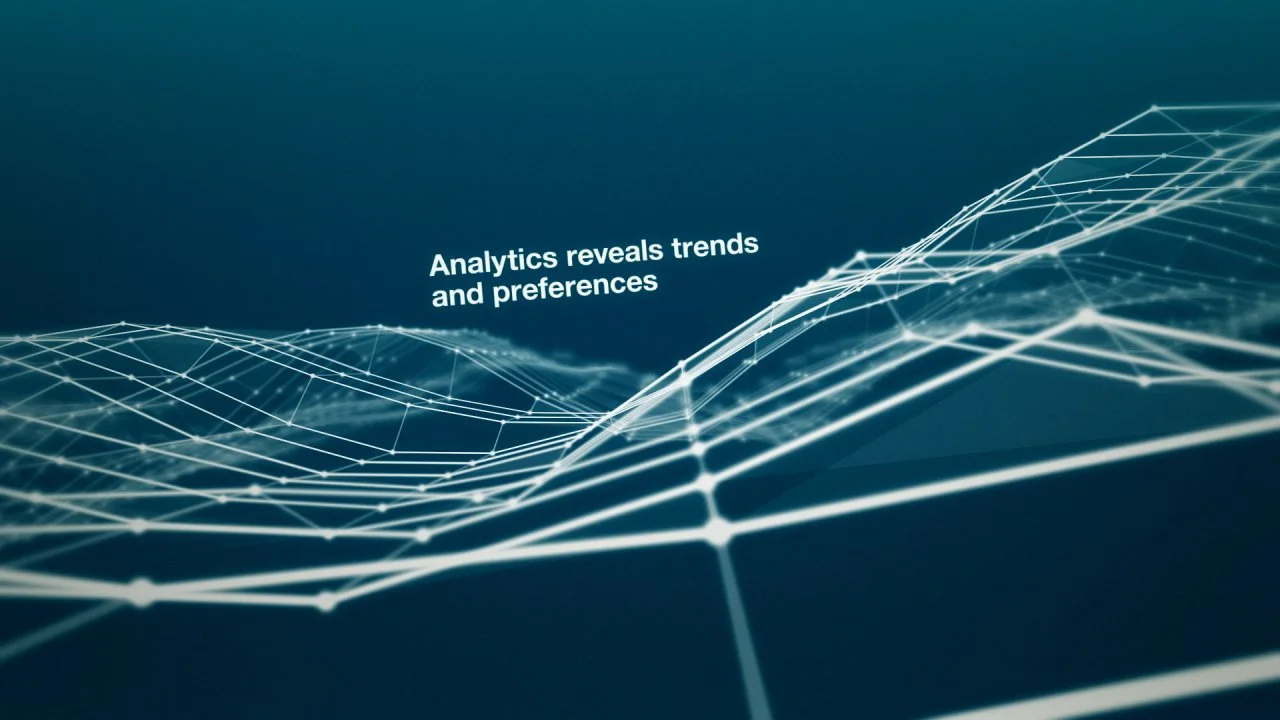
The second was a visual language for the data itself. Particle systems carried information through the architecture. Density expressed volume, movement showed direction and speed, and the structures the particles formed showed how the system's parts connected.
The story follows data from the mall into the processor and back out to the shopper's phone, and the visuals were designed to make that path something a viewer could follow.
The project produced a full-length film of approximately eight minutes and a two-minute director's cut. The shorter cut distils the story to its essentials: the shopper, the offer, and the scale of what the system makes possible.
Working across creative direction, design, and animation direction, James Coulson led the visual development and directed a team of approximately seven (CG artists, motion designers, and an editor) to hold one coherent visual language across both versions.
IBM had a film that could carry an entire architecture story, from the processor to the business case, in a form a non-specialist audience could follow. A condensed cut worked just as well for shorter presentation contexts.
The project reinforced an approach that continues to guide similar work: when complex systems are difficult to see, the most effective solution is a clear visual language that makes the invisible understandable.